

Updated 1099 Reporting Threshold– What You Need to Know
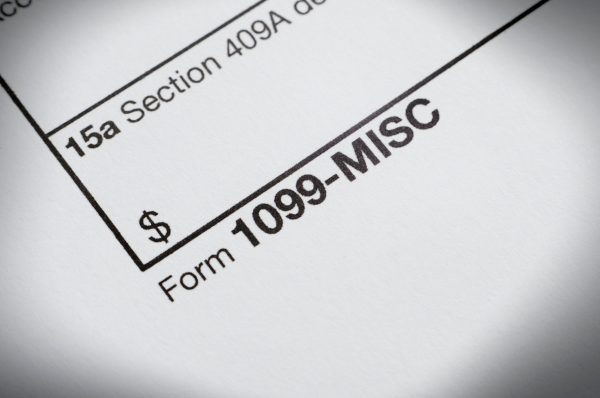
For decades, people who get paid as non-employees have lived under a simple rule: Earn $600 or more from an organization, expect a 1099. But starting this year, that familiar threshold is officially disappearing. Thanks to the One Big Beautiful Bill Act passed in 2025, the reporting requirement increased from $600 to $2,000 for Forms 1099NEC and 1099MISC.
These new IRS rules will apply to a wide variety of people including
- those who work as a consultant, subcontractor, freelancer;
- people who get paid to do market research;
- people who earn royalties; and
- contest and prize winners
Why Change The Reporting Threshold?
The IRS recognized that the decades-old $600 threshold no longer reflects modern costs or today’s digital payment environment, making small-dollar reporting unnecessarily time-consuming for businesses. Lawmakers noted that the previous limit generated millions of low value filings each year, diverting resources from higher risk transactions the IRS actually needs to monitor. By raising the threshold to $2,000, the IRS aims to streamline compliance processes, reduce paperwork, and allow businesses to focus on more meaningful vendor relationships rather than chasing W9s for minor, one-off payments.
Your Responsibilities as an Earner Haven’t Changed
Remember that even if you don’t receive a 1099, you are still responsible for reporting every dollar you earn. Even if you have relatively small income opportunities, such as a $1,100 consulting job or winning a $750 split-the-pot. Though the organization is no longer required to send you a form, you still need to disclose it. The IRS is very clear on this: the 1099 is a reporting tool, not what determines whether income is taxable.
Even with the higher threshold, earners must continue to:
- Track income from every client/organization
- Retain copies of invoices, receipts, bank statements, app deposits, checks, Venmo receipts—keep it all
- Report all earnings on your tax return. If you don’t report your income, you will be at risk of triggering an audit.
- Provide W9 information when requested
What if I Wasn’t Paid Cash?
All contest winnings or gifts in kind—trips, merchandise, gift cards, electronics, event tickets, or any other non‑cash rewards—are still fully taxable, even if no 1099 form is issued. The IRS treats the fair market value (FMV) of these prizes exactly the same as a cash payment. In other words, if you win a $3,000 vacation package or a $1,200 laptop, that dollar amount must be included as income on your tax return, regardless of whether the payer provides a 1099‑MISC.
When in Doubt, Ask Your HCM Team
HCM has a team of on-staff CPAs available to answer your tax questions. Feel free to reach out to your wealth advisor or email us at info@hcmwealthadvisors.com if you have any concerns.